What better way to commence the new academic year than to reflect on the significance of sacred music in the education of our students!
Some months back, we were humbled by Dr. Donelson-Nowicka’s invitation to join her on her excellent podcast series over at Square Notes. “Jennifer Donelson-Nowicka is an Associate Professor and the Director of Sacred Music at St. Patrick’s Seminary in Menlo Park, California, where she holds the William P. Mahrt Chair in Sacred Music and serves as the founding Director of the Catholic Institute of Sacred Music.”
To my horror, I have been told by several readers that they were under the impression that Lion and Ox had simply abandoned the “Catechism of the Council of Trent in a Year” project after day 86 which was posted here on September 10, 2023!
Not so! (non sic) Lionandox has been very busy in completing the project – but I hate to say it- it was overcome by a false sense of humility in not wishing to post every episode so as to beleaguer the already overstuffed inboxes of its many readers! Lionandox had assumed that the thousands of fans of “The Catechism of The Council of Trent in a Year” project would have, of course, signed up to receive each episode directly at Spotify or Apple podcasts!
Upon reflection, lionandox should not have suffered from this sort of scruple, and setting aside the veneer of humility, apologizes for not posting each episode seriatim! Why should not we too, have a place among the many solicitous, bothersome, and sometimes downright objectionable emails that you, our readers, receive by the thousands each week?!?
To make up for this mistake and by way of recompense and restitution we post the missing episodes following Day 86! Now that the project is reaching the last part of the Catechism lionandox.com will post each of the final days for our reader’s pleasure.
Lionandox has been relatively dead for about seven months now.
What with work and family! What with life and its accompanying travails and disillusionments! What with all the vain worry about the world, the government, the economy, war, and death!
I do not even pause to mention the chipping paint in my house or on the deck! I make no reference to the ceaseless concerns about my home appliances. Why did my refrigerator die on Holy Saturday of all days?!
And let’s not even dwell for a single moment on the steady deterioration of the tires of my automobiles! Forget about the multiple cracked windshields that are peculiar to residents of Colorado. Forget about the hail damage that makes Colorado residents victims of those suffering from among the highest auto insurance rates in the country!
No! We will not even allude to these unpleasantries even by the figure of speech that we would-be rhetoricians know by the delightful term apophasis!
Let us simply content ourselves with the ugly fact that lionandox has been rather dead for about seven months.
What better occasion to return to life than Easter?
To be honest, I can’t think of one.
And what is more restorative, what is more energizing, what is more lifegiving than an Easter Feast?
I wish I could say that my Lenten observance was especially severe this year. Severe enough to make me especially deserving of the Easter Feast. If there is anyone else who feels he or she could have engaged in a slightly more severe Lenten season, let us console ourselves with the mere statement that grace is gratuitous. Grace is undeserved. God showers his mercy on us without our meriting it.
Now just to be clear, (one cannot be too careful these days!) Lionandox does not deny that the good actions of Christians are without any merit! But I can safely avouch for the fact that just as my Lenten observance did not merit anything near the grace of the reception of the Holy Eucharist at the 8 AM Mass, nor did it merit the blessing of the Easter Brunch or dinner of which I was made to partake!
But you might be thinking “That’s not enough! One cannot just Feast at Easter upon the mere excuse of Christ’s grace being gratuitous!”
Well, there is one thing I did that perhaps you did not, you Pharisee!
Did you sing the Gloria from “Mass I” at a pitch at least a third higher than is humanly possible for most male voices?
(Here is what “Gloria I” sounds like- but sung at a regular pitch)
I did!
And I am not to blame for that. For some reason I have an edition of the Kyriale put together by Achille P. Braggers that is set for high voices.
I might as well share the entire musical itinerary of our Easter Sunday Morning Mass just to pacify those of you who still have objections to my undeserved Easter feasting.
Easter Sunday Morning Musical Itinerary
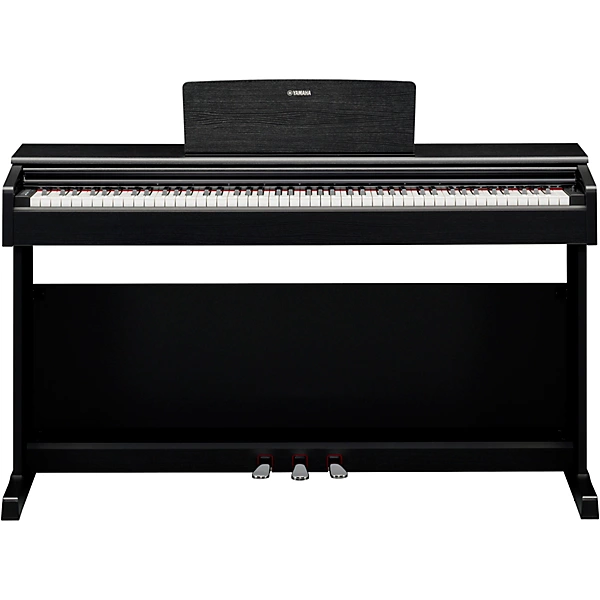
After arriving at the Church at least five (if not six!) minutes early, I quickly set up the keyboard for one of its two organ settings. It’s true I do not play a Schlicker or a Skinner or even a Casavant pipe organ every Sunday. I only play a Kawai, or a Yamaha or a Hyundai or something like that which was really meant to be a piano substitute but does have precisely two organ settings: “Organ” and “Organ Tutti.”
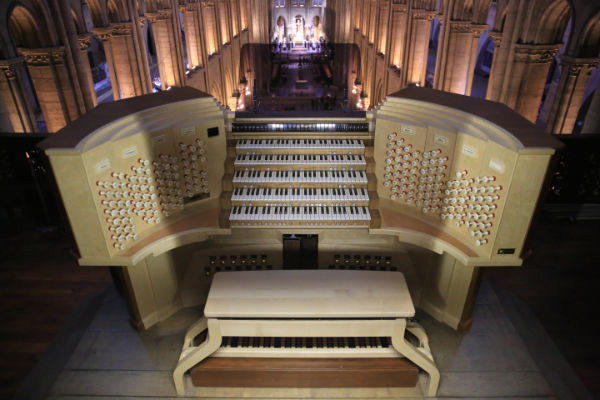
I prefer the simple “Organ” setting and just pretend that I am sitting at the console at St Mark’s Basilica in Venice or perhaps at Notre Dame de Paris. Granted that those organs are a bit more complex, nonetheless, the electrotonic keyboard I play was assuredly designed with such organs in mind.
Two minutes before Mass, to set the atmosphere, I commenced a spirit-inspired improvisation of something cheerful and grand (in my own mind) when I realized the lector had just begun to make some pre-Mass announcements about upcoming events at the parish. Naturally, I kindly deferred to the sound of his amplified voice and brought my ill fated improvisation to an unnatural conclusion.
Then the bell rang and the Schola intoned “Resurrexi” which is always the way to intone the introit on Easter Sunday Morning. Things were off to a good start! We sang the Kyrie from Hassler’s Missa Secunda. Then the exorbitantly high Gloria! The rest of the music proceeded apace: Haec Dies, Alleluia-Pascha Nostrum, Victimae Paschali, Terra Tremuit, and the Pascha Nostrum at Communion. We threw in a couple motets – to wit: a Regina Coeli by some Spaniard with the last name of Salazar, and another well known Regina Coeli by Gregor Aichinger. The women in the schola sang O Filii et Filiae to fill out the extra time for reception of Holy Communion. Finally, we sang Jesus Christ is Risen Today!
So all in all, it is my conviction that such a musical itinerary was deserving of some kind of reward despite my lackluster Lenten observance!
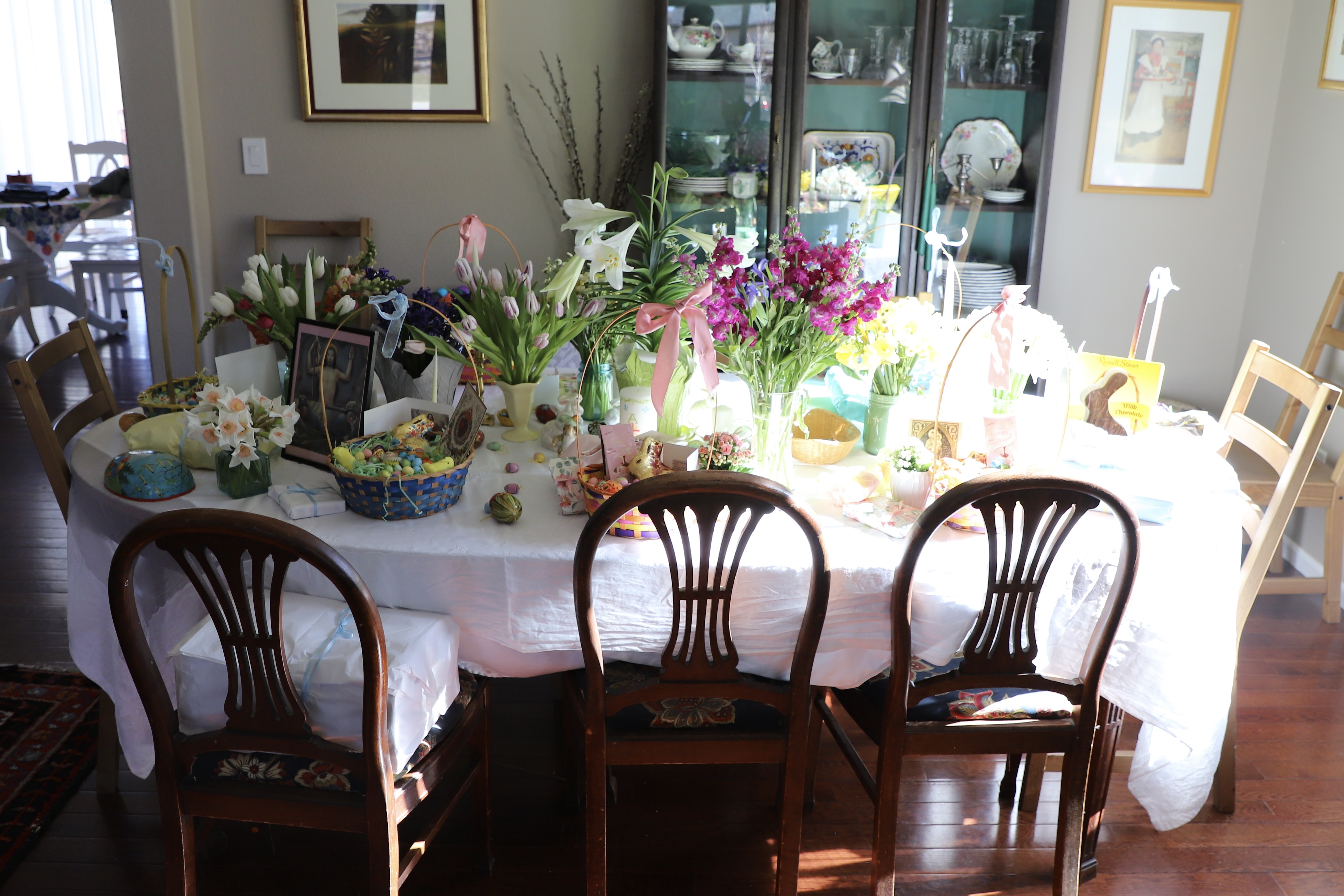
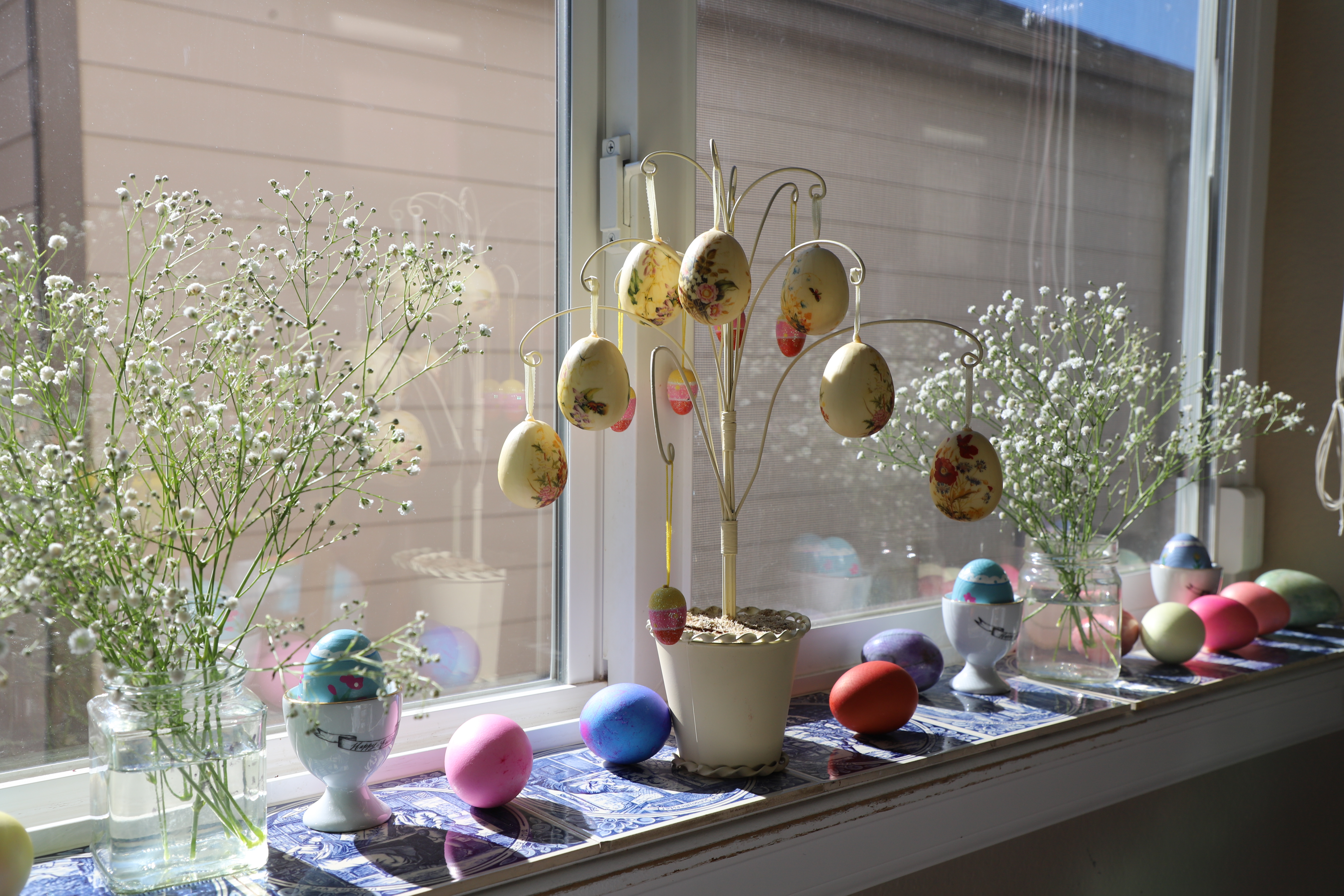
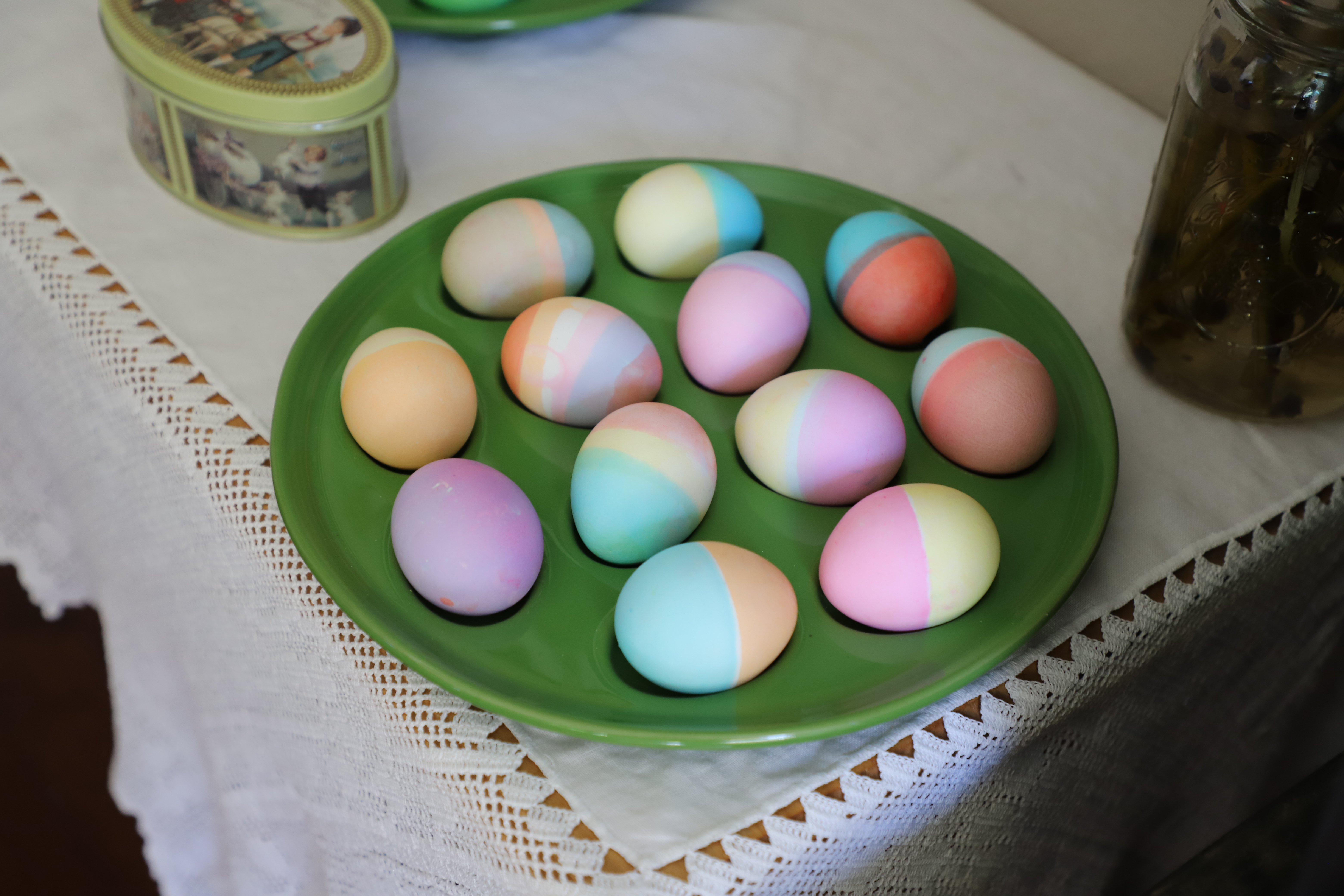
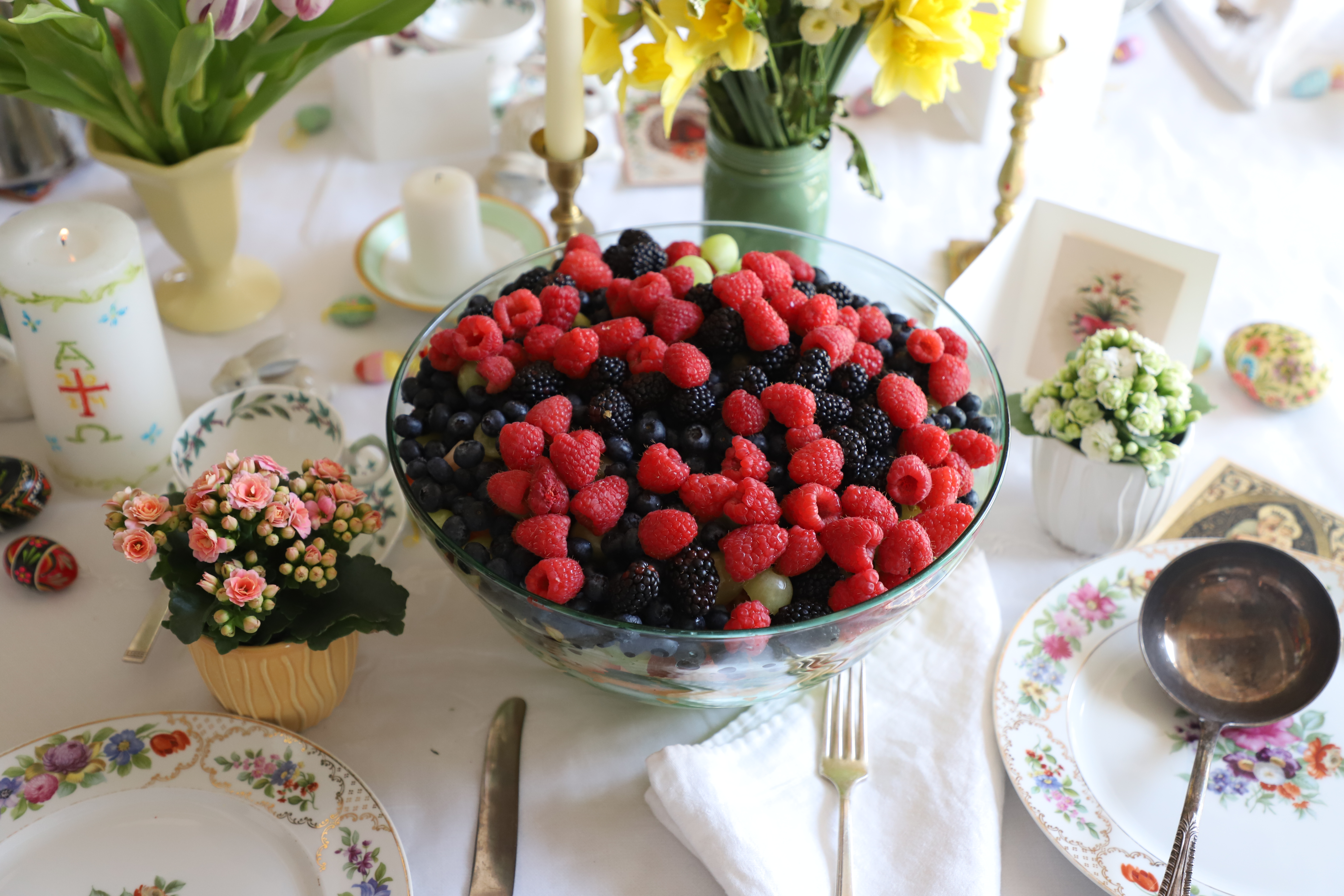
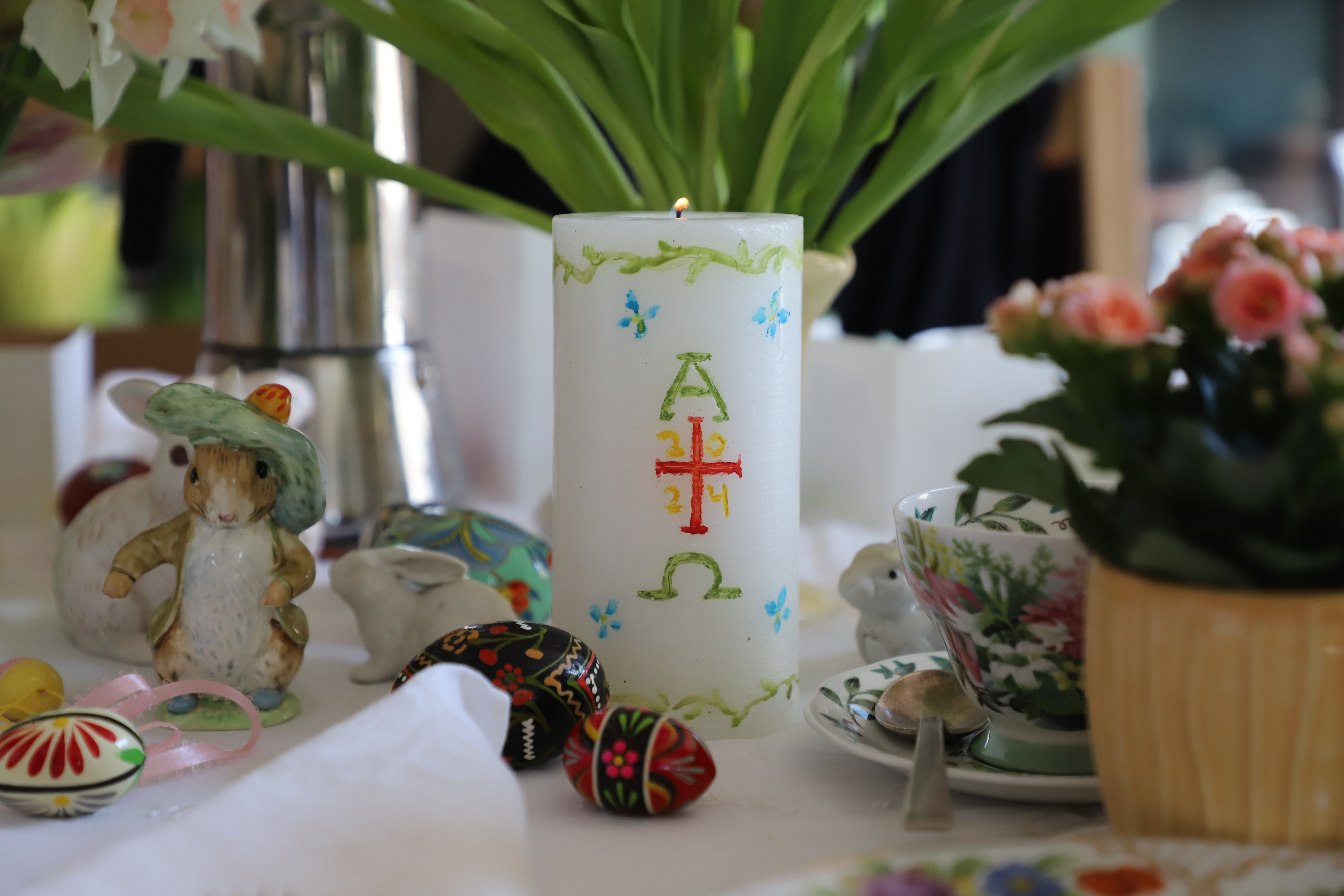
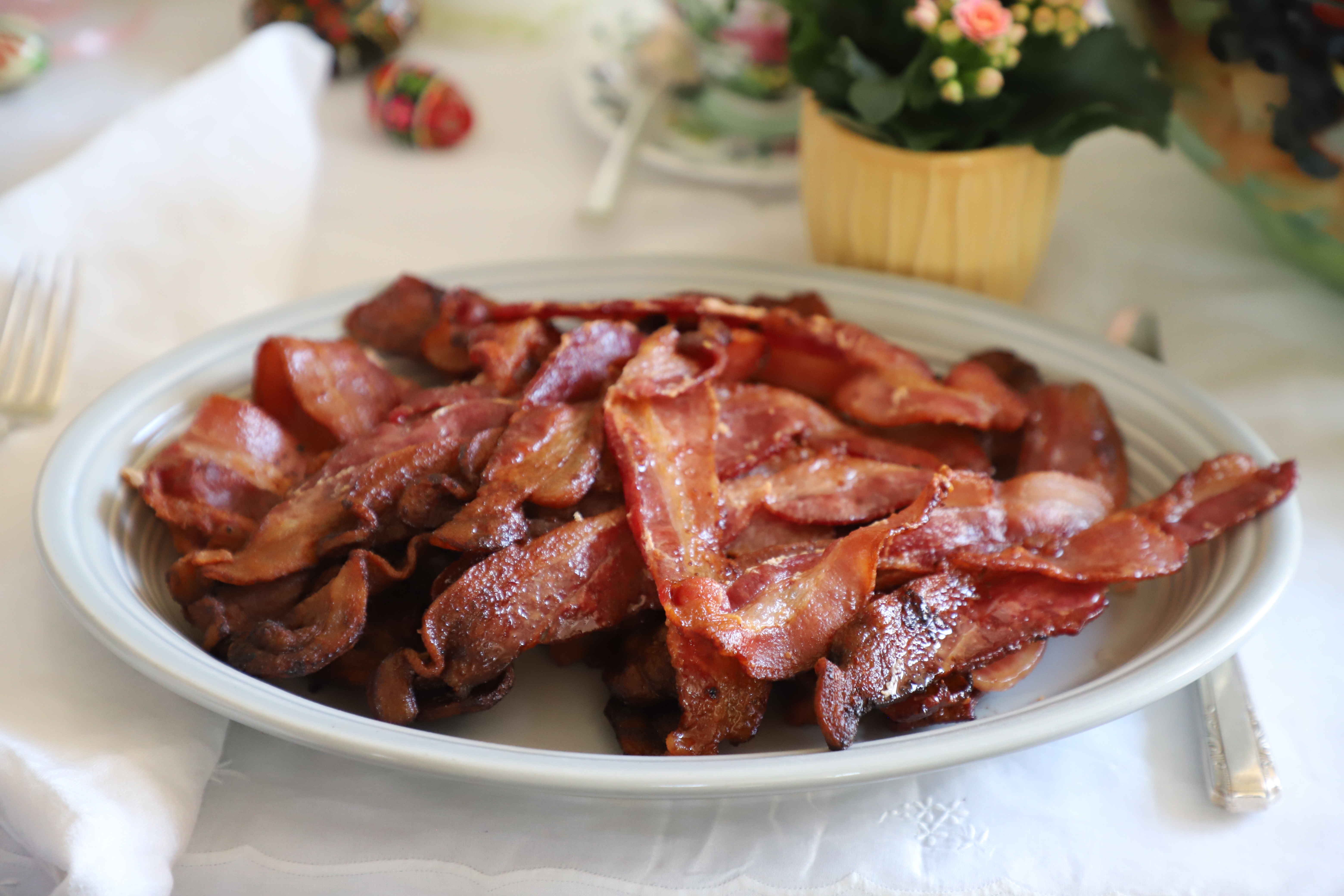
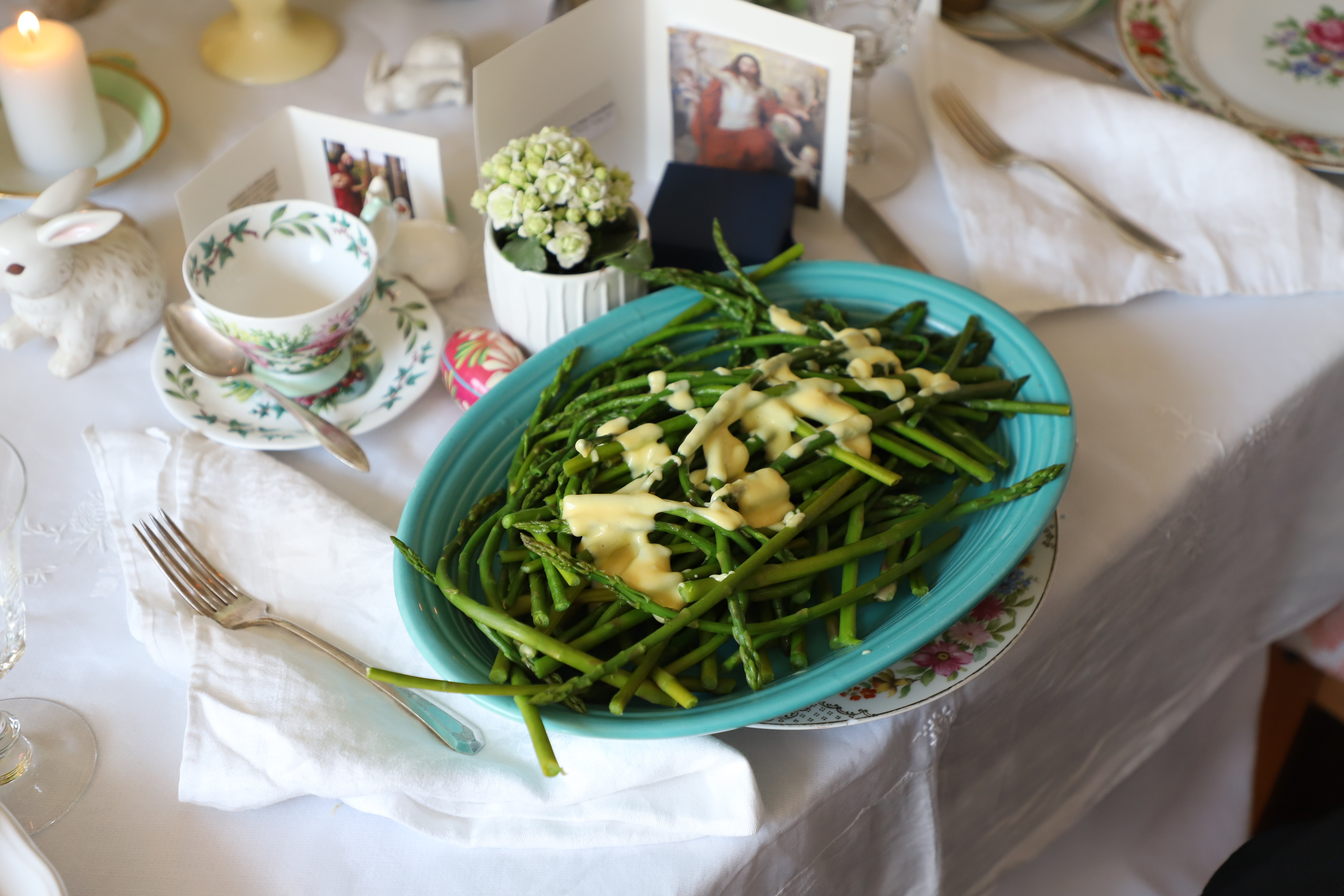
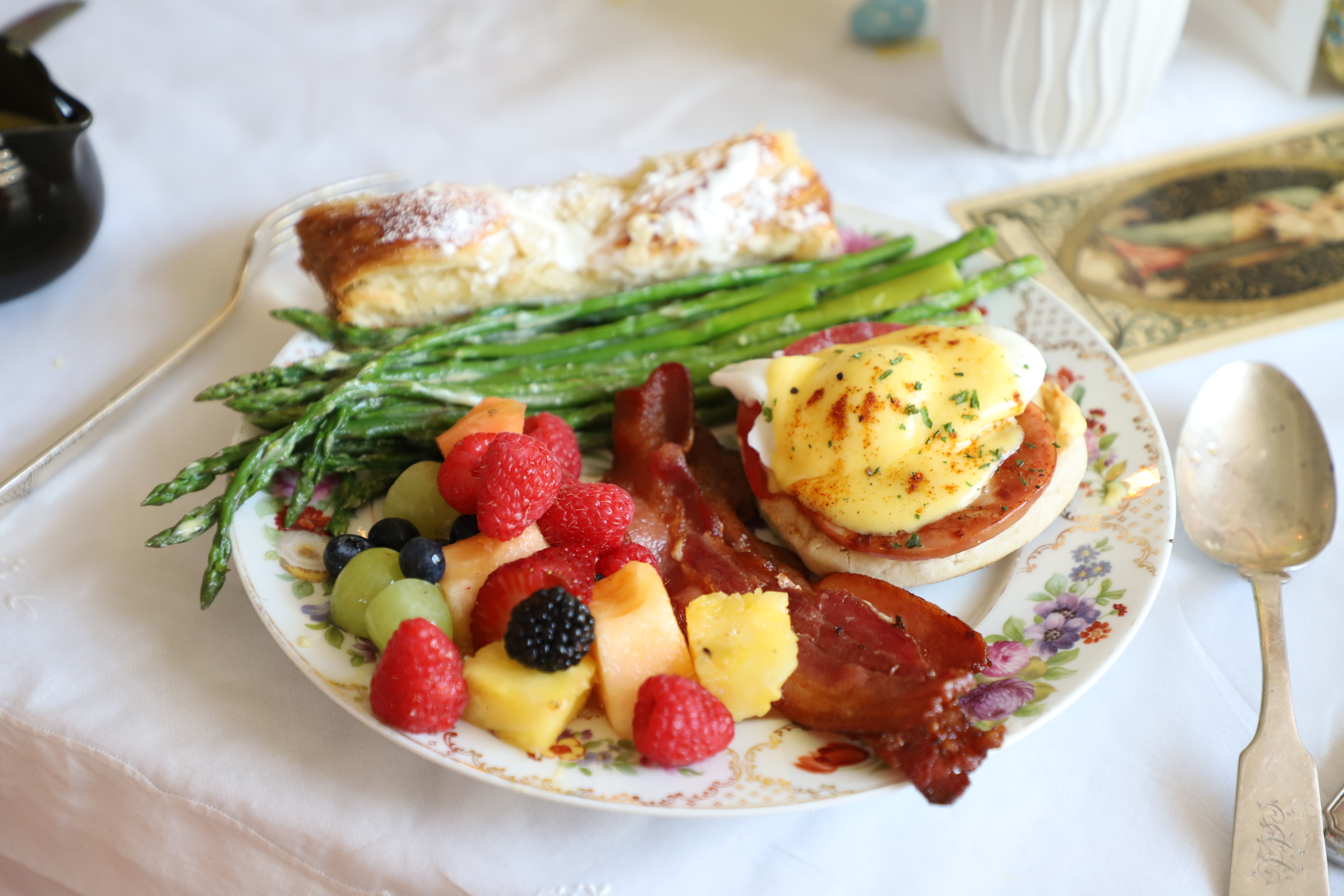
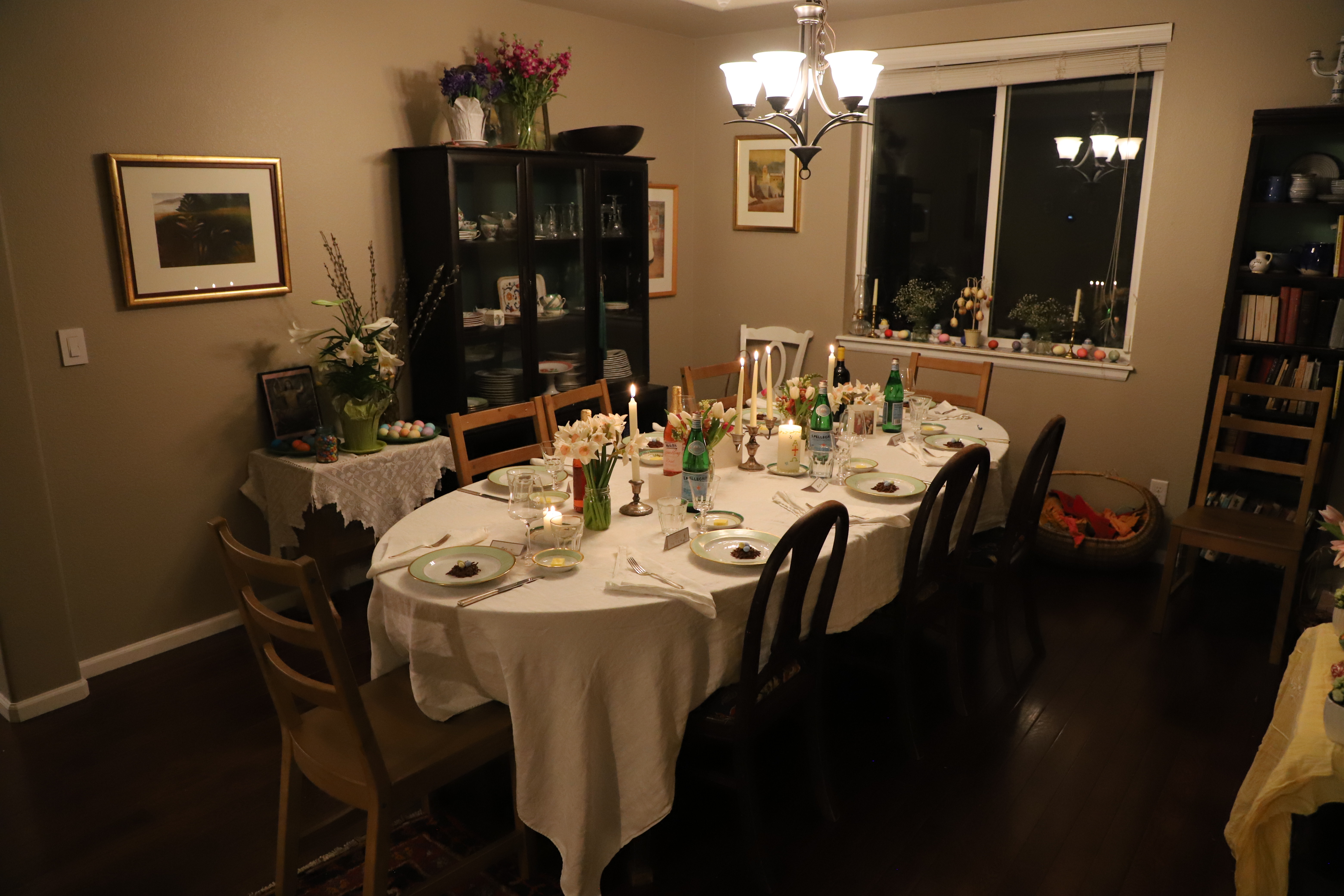
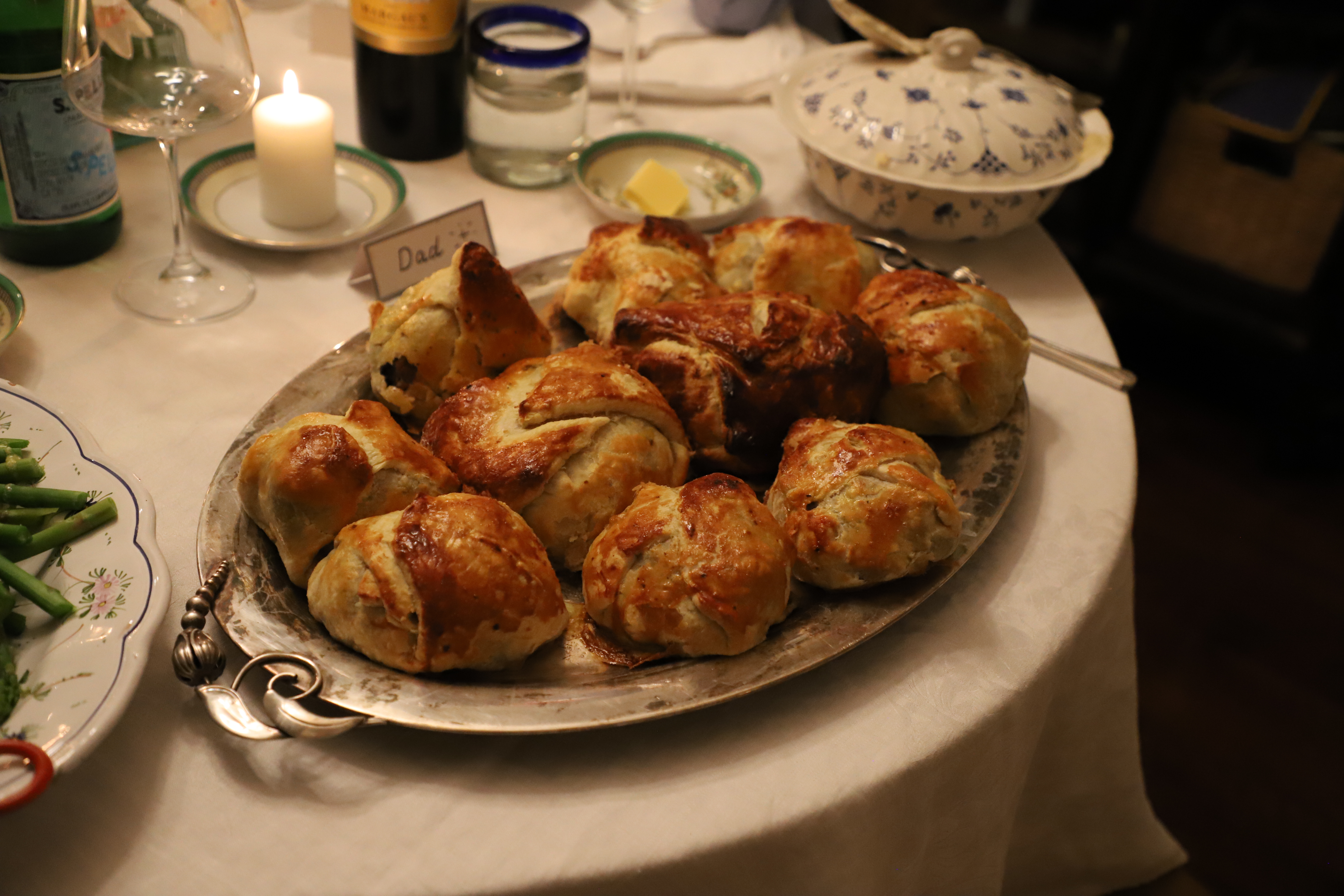
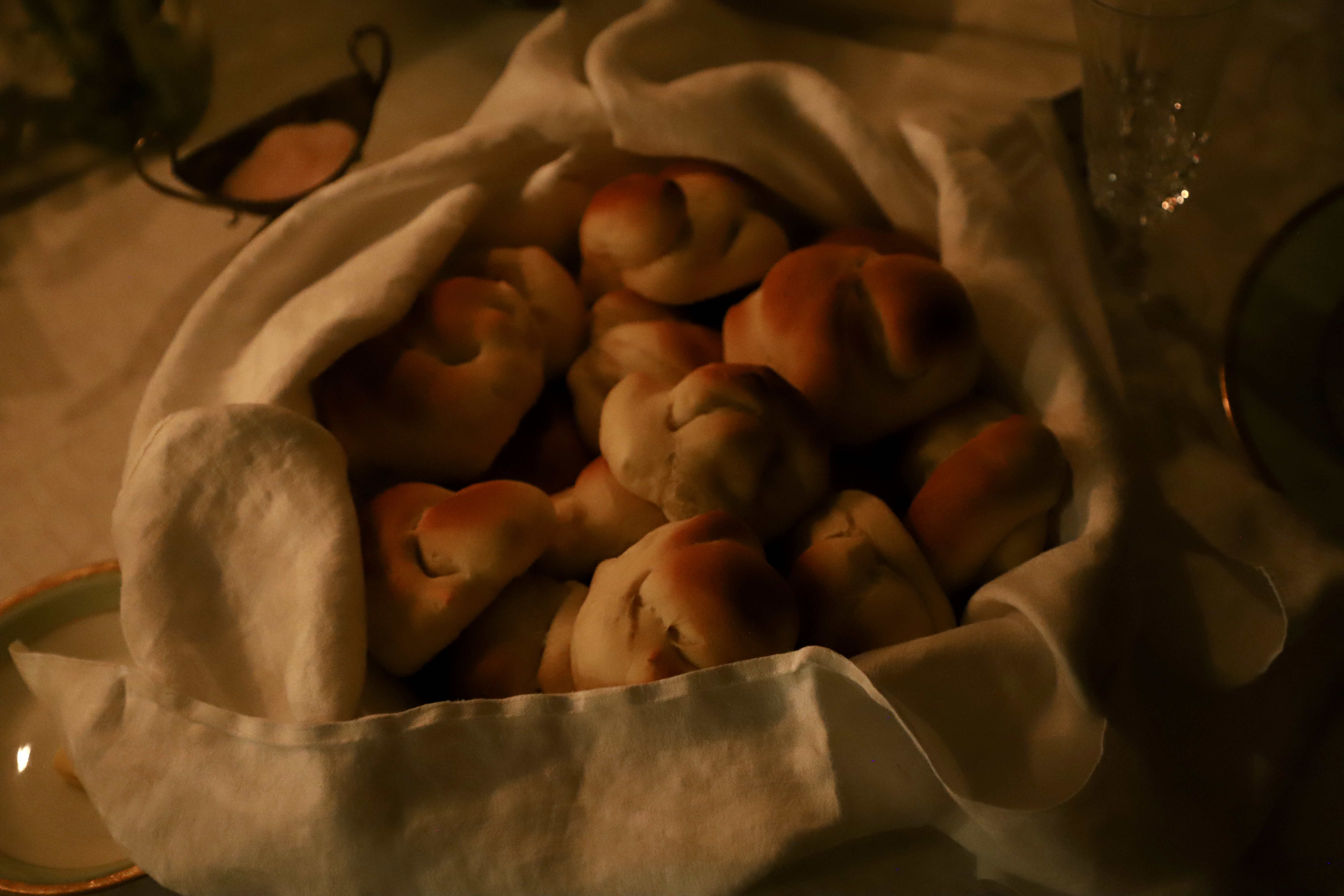
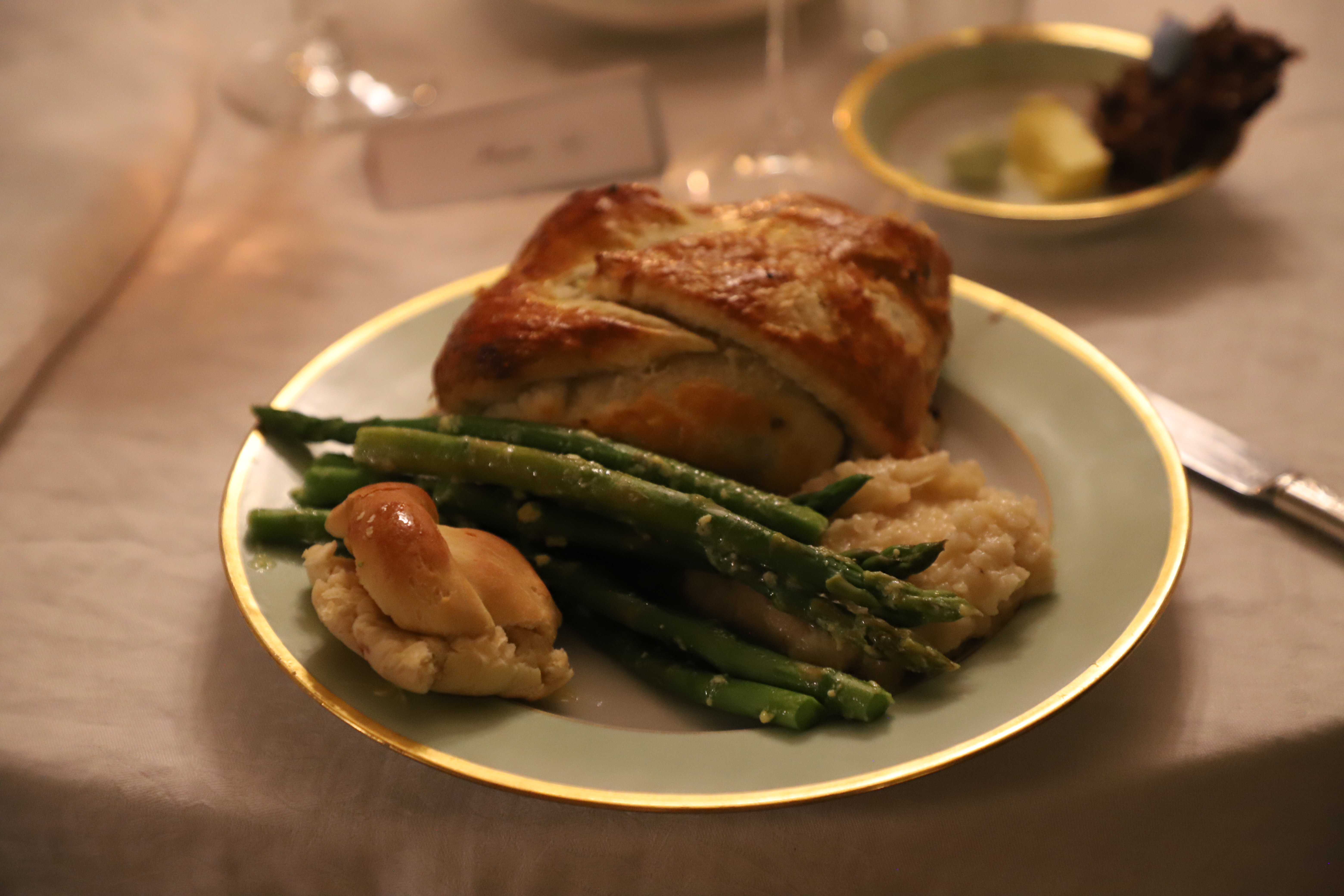
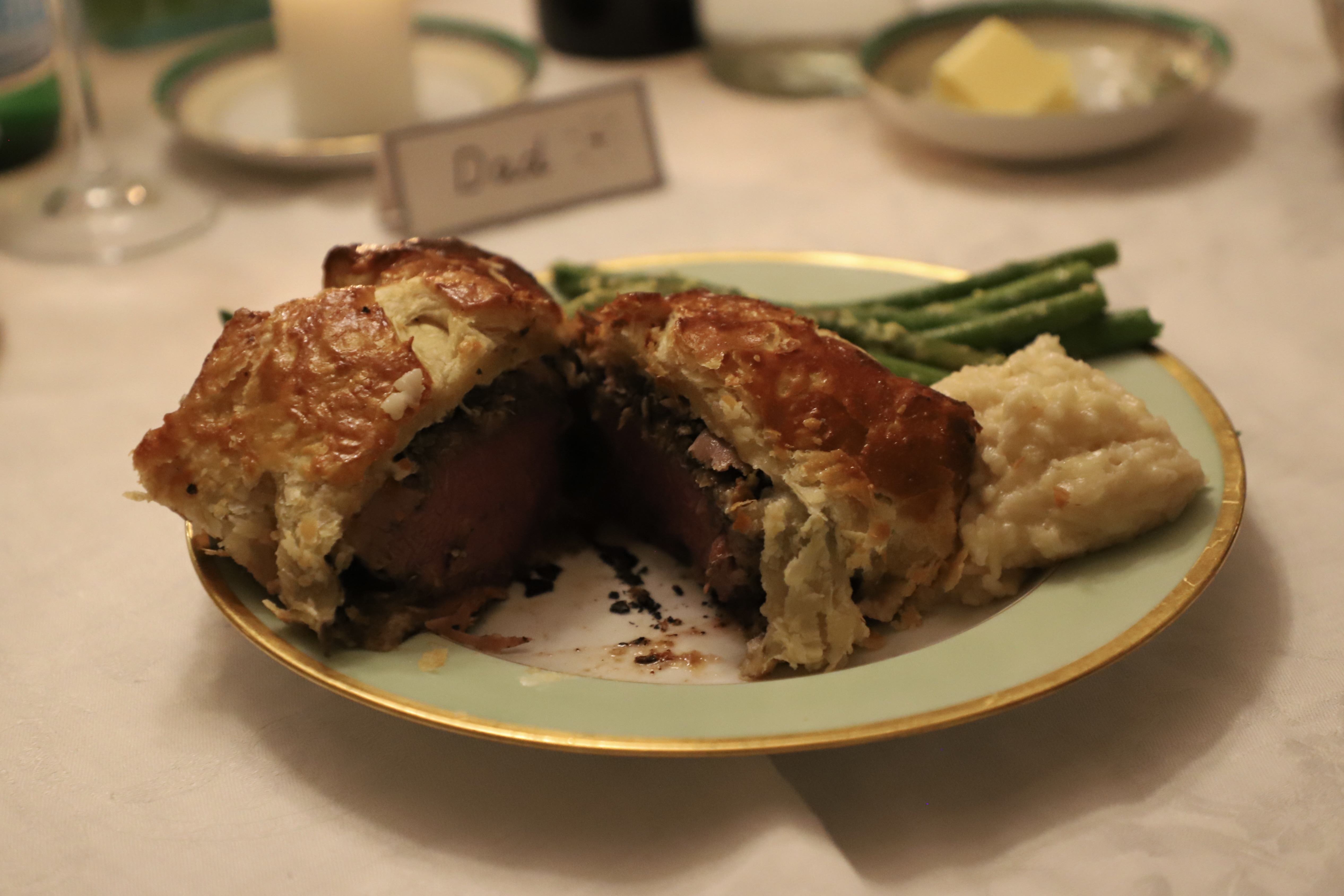
And so, returning from Mass to the breakfast table was a sight for sore eyes.
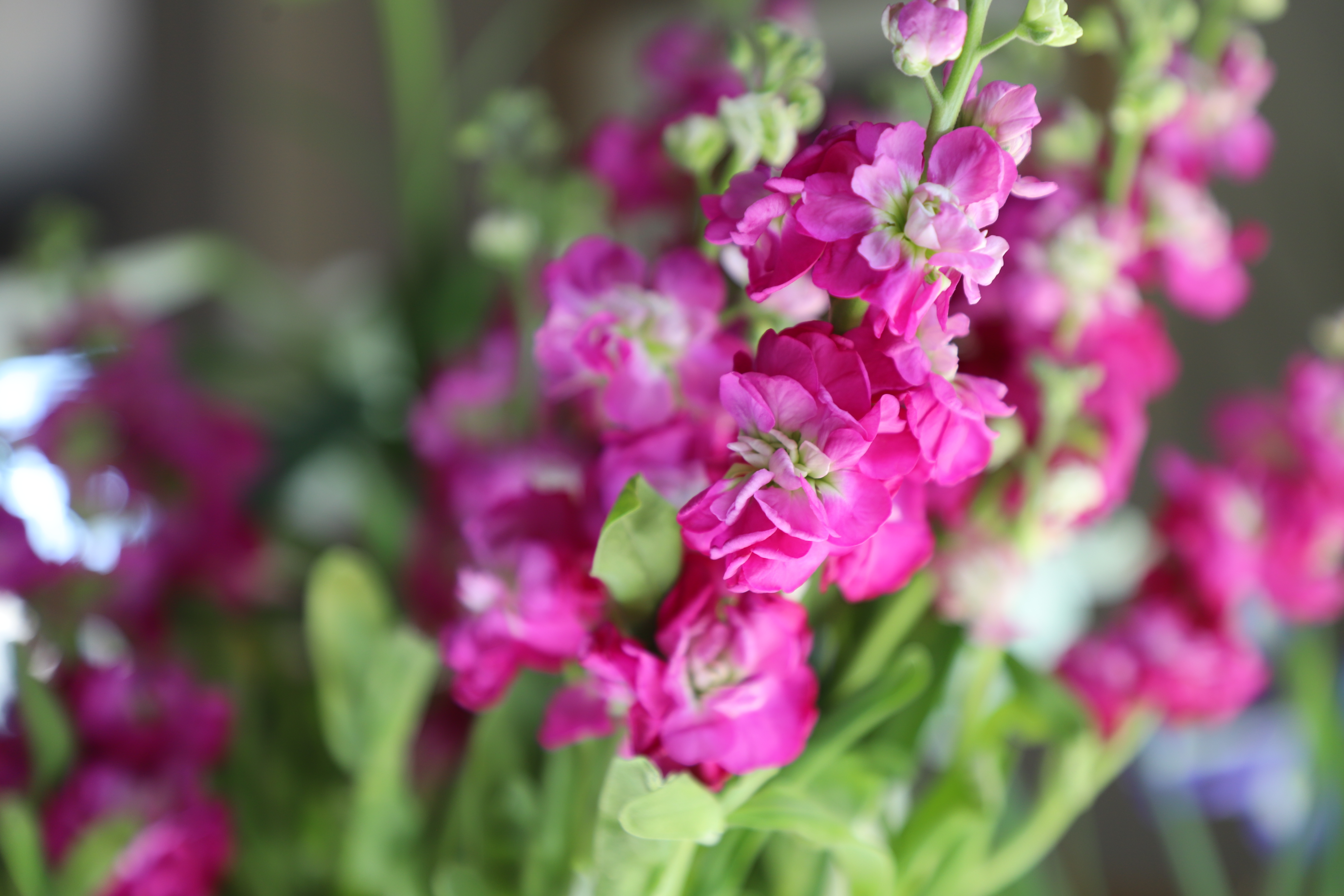
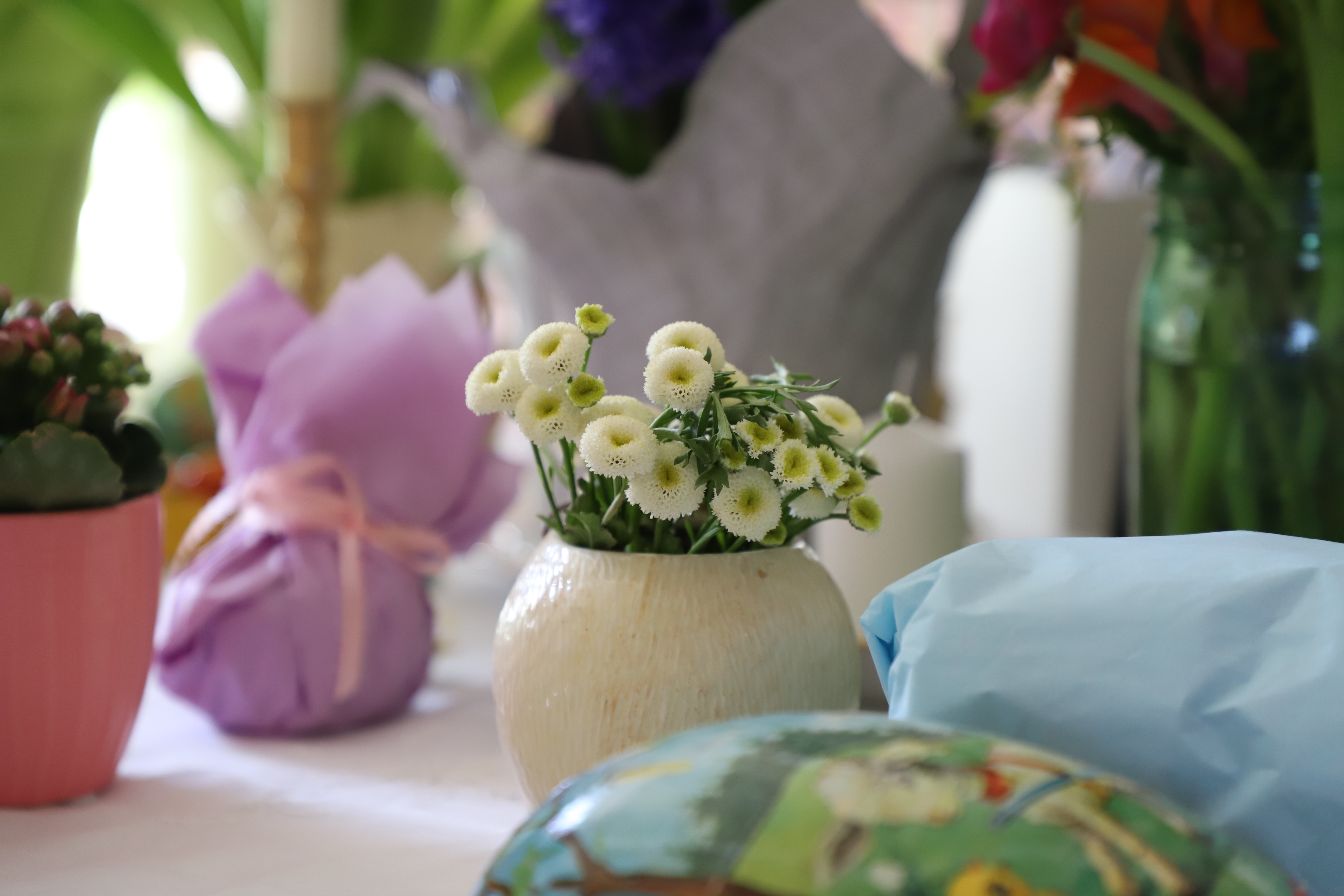
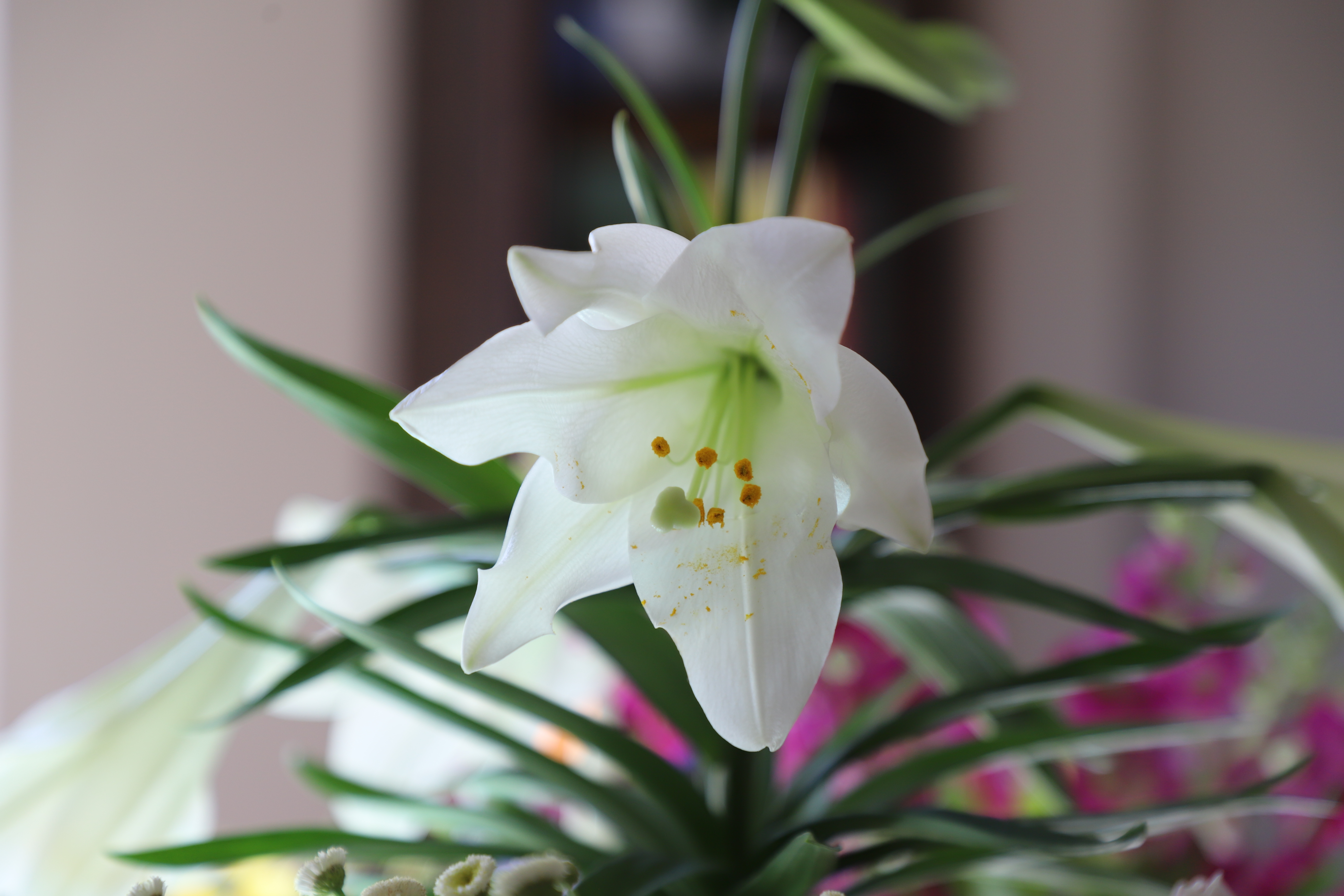
Out here on the arid high plains flowers take on a special significance!
In this episode we finish our study of the sacrament of Penance. The Catechism, following St. Thomas Aquinas, sets forth three reasons why the works of satisfaction are suitably enumerated (i.e. almsdeeds, prayer and fasting) Additionally, the catechism discusses the duties of the minister of Penance. (ST IIIa Supplement, Q 15 a.1-a.3)
In this episode we begin reading the Catechism with regard to the third integral part of the sacrament of Penance, namely Satisfaction. The Catechism distinguishes three kinds (or degrees) of satisfaction, the necessity of satisfaction, and six advantages of performing works of satisfaction.
In this episode we read the Catechism’s treatment concerning why Penance is a sacrament and we also begin to discuss its matter and form. Additionally we read from the Summa Theologica concerning these subjects and especially why the acts of the penitent may be considered the matter of Penance. (ST. IIIa. Q. 84 a.1 and a.2)
In this episode we commence our study of the sacrament of penance. The Catechism first explains the various meanings of the word penance, and then explains that penance is, first of all, a virtue. IN addition we read an article from the Summa Theologica in which St Thomas Aquinas justifies the saying of St Jerome that “penance is a second plank.” (ST. IIIa. Q. 84, a. 6)
In this episode we conclude the Catechism’s treatment concerning the Eucharist. Having set forth the doctrine concerning the Eucharist as a sacrament, the section concludes with a discussion concerning the Eucharist as a sacrifice. In addition to reading the catechism, we also read from three articles from the Summa Theologica concerning these same matters as well as St Thomas’ explanation and division of the words in the rite of the Mass. (ST IIIa. Q. 79 a. 7, Q. and Q. 83 a.1 and a.4
In this episode we read the Catechism regarding the reception of the Eucharist under the species of bread and wine. Why do many Catholics receive the Eucharist under only the species of Bread? Does the reception of the Eucharist under both species add anything? We also discuss the role of the Priest as an instrumental agent in the consecration of the Eucharist. In addition we read two relevant articles from the Summa Theologica. (ST IIIa. Q 80 a. 12 and Q. 82 a. 5)